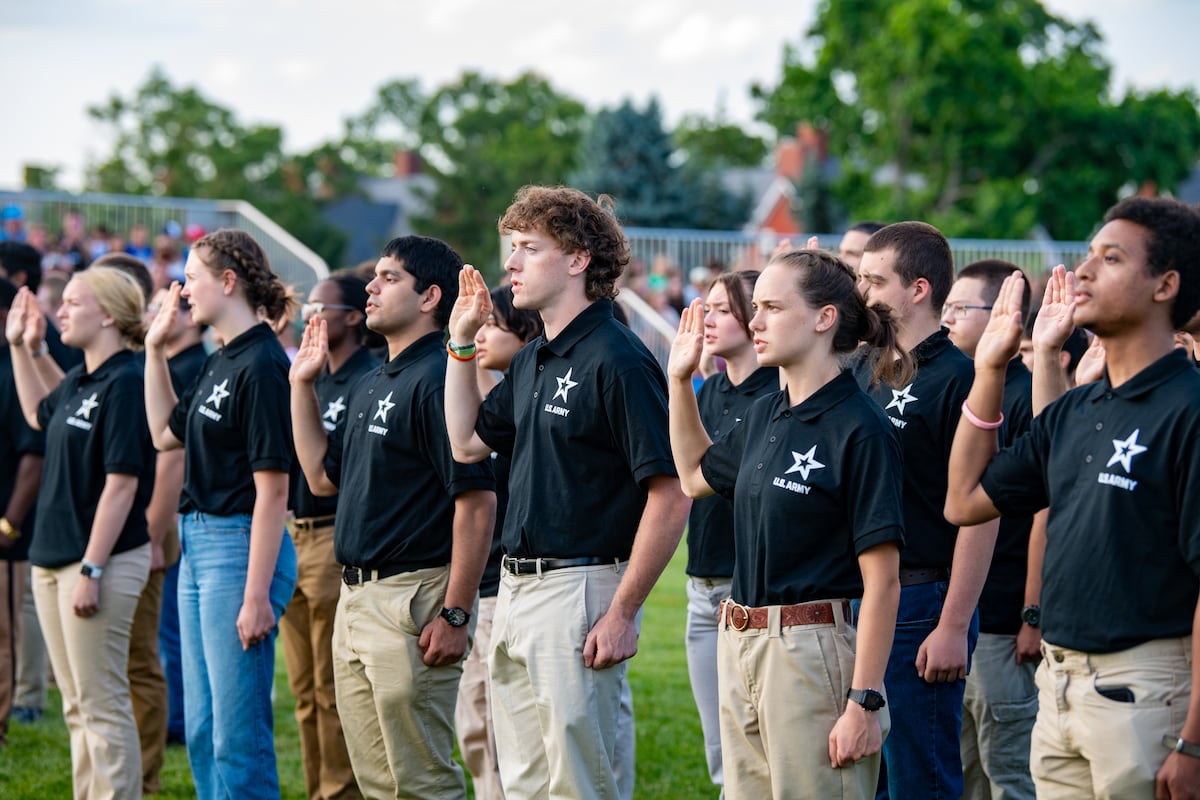
New Selective Service Law: Understanding Automatic Registration & Penalties
In a significant shift that impacts hundreds of thousands of young Americans annually, the Selective Service System is implementing a nationwide change to how eligible individuals are registered for the military draft pool. This measure, tucked into a recent annual defense policy bill, means that starting this December, qualified young men will be subject to automatic draft registration. This pivotal change aims to streamline the process, reduce non-compliance, and ensure that young men are not inadvertently penalized for failing to register.
For decades, men aged 18 to 26 have been legally required to register with the Selective Service within 30 days of their 18th birthday. While the United States has maintained an all-volunteer military force since 1973 – meaning the draft has been inactive since the Vietnam War – the registration requirement has remained a critical civic obligation. The new automatic system expands upon existing practices already in place in 46 states and territories, making it a universal standard across the nation.
It's crucial to understand that this development has no connection to recent geopolitical tensions or conflicts. The legislation enabling automatic draft registration passed with bipartisan support months before any current international events, reflecting a long-standing effort to update and modernize the Selective Service process.
Who is Affected by Automatic Draft Registration?
The scope of this new automatic registration policy is clear and comprehensive. According to the National Defense Authorization Act (NDAA), which President Donald Trump signed into law in December, the automatic registration will apply to:
- Male US Citizens: All men who are citizens of the United States.
- "Every Other Male Person" in the Country: This category includes male permanent residents, refugees, asylum seekers, and even undocumented immigrants residing in the U.S.
The age range for this requirement remains consistent: men between the ages of 18 and 26. Previously, in states without automatic registration, men had to actively register "within 30 days of their 18th birthday," with the Selective Service System (SSS) accepting late registrations up until a man's 26th birthday. The shift to an automatic system largely removes the burden of manual registration, but it does not absolve individuals of understanding their obligations or verifying their registration status.
This change is designed to be seamless. As Democratic Rep. Chrissy Houlahan, who sponsored the automatic Selective Service language, noted, it "not only saves taxpayer dollars by eliminating the need to advertise but finally ensures that young men are not unknowingly penalized." For more detailed information on how this affects you, consult our guide on Automatic Military Draft Registration: What Young Men Must Know.
The Importance of Registration: Penalties and Benefits
While the draft itself has been inactive for decades, the requirement to register with the Selective Service System carries significant weight. Non-compliance is not merely an oversight; it's a serious legal matter with potentially life-altering consequences. Here's what you need to know about the penalties for failing to register and the often-overlooked benefits of compliance:
Severe Penalties for Non-Registration
Under the Military Selective Service Act, failing to register for selective service is a felony offense. The legal repercussions can be severe:
- Imprisonment: Conviction can lead to imprisonment for up to five years.
- Fines: Individuals may face a substantial fine of up to $250,000.
- Loss of Federal Benefits: Perhaps one of the most immediate and impactful consequences for young adults is the loss of eligibility for various federal benefits, including:
- Federal student loans and grants (e.g., Pell Grants)
- Federal job training programs
- Federal employment (both executive branch and postal service)
- U.S. citizenship for immigrants (in some cases)
The shift to automatic draft registration is a proactive measure to prevent these harsh penalties. By ensuring eligible men are registered without needing to take a specific action, the government aims to reduce the number of individuals who face legal trouble or lose out on crucial opportunities simply due to ignorance or forgetfulness.
The Unseen Benefits of Automatic Registration
Beyond avoiding penalties, automatic registration offers several implicit benefits:
- Reduced Administrative Burden: For individuals, it removes the need to remember a specific deadline or navigate a registration process during a busy time in their lives.
- Cost Savings: As Rep. Houlahan highlighted, eliminating the need for extensive advertising campaigns saves taxpayer dollars.
- Enhanced Fairness: It levels the playing field, ensuring that all eligible individuals are registered, regardless of their awareness of the requirement or access to information. This helps prevent situations where some young men are unknowingly disadvantaged.
Understanding a Potential Draft: The Lottery System and Exemptions
It's vital to reiterate that the implementation of automatic draft registration does *not* signal an imminent return of the military draft. The United States has proudly maintained an all-volunteer military since 1973, and any reintroduction of a draft would require specific legislative action by Congress, followed by a presidential directive. This is a significant hurdle, indicating that a draft is not a casual or quick decision.
The Lottery System
Should a draft ever be reinstated, the Selective Service System has a well-defined lottery process in place to determine the order of induction. This system is designed to be fair and random:
- Individuals whose 20th birthdays fall in the year of the draft would be the first group considered for induction orders.
- Following the 20-year-olds, subsequent age groups would be called in order: 21, 22, 23, 24, and 25.
- Finally, those who are 19, and then those who are more than six months past their 18th birthday, would be considered.
This staggered approach aims to provide fairness and allow individuals within certain age brackets to potentially complete education or establish careers before being considered for service.
Exemptions and Deferments
Even if selected in a draft lottery, individuals are not automatically enlisted. The SSS process includes provisions for individuals to request exemptions or deferments. These can be based on various factors, including:
- Medical Conditions: Significant physical or mental health issues that make an individual unfit for service.
- Religious Beliefs: Conscientious objector status for those whose deeply held religious or moral beliefs prohibit participation in war.
- Hardship: Cases where an individual's induction would cause extreme hardship for their dependents.
- Occupational Deferments: Certain critical occupations might qualify for deferment, though these are typically very limited.
All men remaining after requests for exemption or deferment would then undergo a "physical, mental, and moral evaluation." Only those who meet the stringent standards and are deemed fit to serve would be selected for military service.
Implications and What This Means for Young Men
The nationwide implementation of automatic draft registration is a modernizing step for the Selective Service System. For young men across the country, it simplifies a crucial civic obligation, removing potential hurdles and ensuring broader compliance. Here's what this means for you and some practical advice:
Practical Steps and Staying Informed
- No Immediate Action Required (for most): If you are an eligible male turning 18 after the implementation date in December, you likely won't need to manually register. The process should occur automatically.
- Verify Your Registration Status: While automatic, it's always wise to verify. The Selective Service System website (sss.gov) provides a portal where individuals can check their registration status. This is especially important for those who turned 18 before the automatic system took full effect nationwide, or if you simply want peace of mind.
- Keep Your Information Updated: If your contact information changes (e.g., address, name), it is still your responsibility to update it with the Selective Service System. This ensures that any vital communication, should a draft ever become a consideration, reaches you.
- Understand the Broader Context: Remember, registration is about maintaining a fair and equitable system for national defense readiness, and it also unlocks access to federal benefits crucial for education and career advancement. It is a fundamental civic duty for eligible individuals.
This change represents a proactive governmental effort to modernize and streamline processes, ensuring that the Selective Service System remains ready should the need ever arise. It also acts as a safeguard, protecting young men from the severe penalties associated with non-registration, often due to a lack of awareness.
For a comprehensive look at the ins and outs of this national shift, delve into US Draft Registration Goes Automatic: Your Guide to the Nationwide Change.
Conclusion
The transition to automatic draft registration marks a significant evolution in the Selective Service System. By implementing this nationwide measure, the U.S. government aims to ensure universal compliance, reduce administrative overhead, and, critically, protect young men from inadvertently facing severe legal and financial penalties. While the military draft remains inactive, the requirement to register is a fundamental civic responsibility with tangible impacts on an individual's access to federal benefits. Understanding this new system, verifying your registration status, and staying informed are key steps for all eligible young men in navigating this updated landscape.