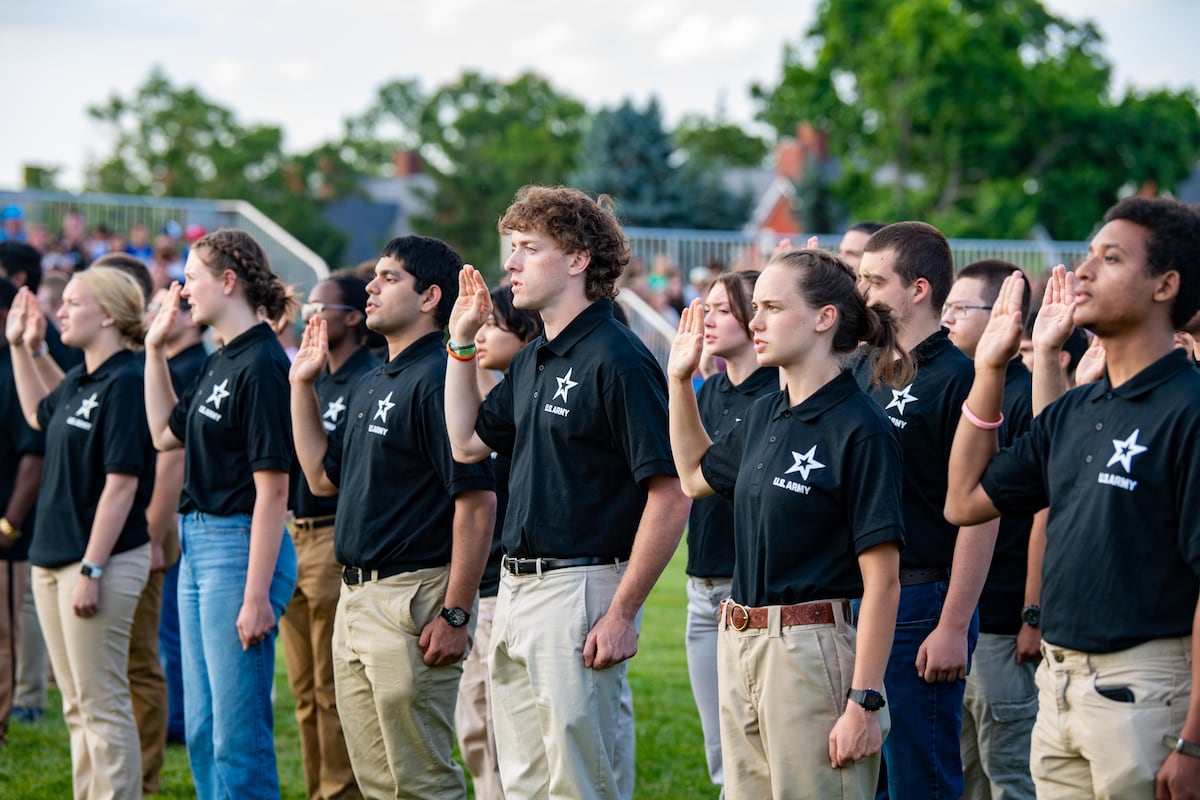
Automatic Military Draft Registration: What Young Men Must Know
A significant change is on the horizon for young men across the United States regarding military draft registration. Historically, it has been an individual’s responsibility to proactively sign up with the Selective Service System (SSS) upon turning 18. However, a new nationwide measure is set to automate this process, ensuring eligible young men are registered without needing to take a manual step. This pivotal shift, stemming from a recent defense policy bill, aims to streamline the system, save taxpayer dollars, and, crucially, prevent individuals from unknowingly facing severe penalties for non-registration. Understanding this new landscape of automatic draft registration is vital for every young man nearing adulthood.
The move towards automatic registration represents a major update to a system that has been in place for decades. While the U.S. has relied on an all-volunteer military force since 1973, registration for the Selective Service remains a legal obligation for most men. This article will delve into what this automatic change means, why it's happening, and what young men, their families, and educators need to know to navigate this new era successfully.
The Shift to Automatic Draft Registration: What's Changing?
For generations, the onus has been on young men to register for the Selective Service System within 30 days of their 18th birthday. Failure to do so, even unintentionally, carried hefty consequences. Now, as part of a measure integrated into the annual defense policy bill—the National Defense Authorization Act (NDAA)—signed into law late last year, the process is being fundamentally redesigned. Starting in December, eligible young men will be automatically registered for the military draft pool.
This isn't an entirely new concept across the nation. The Selective Service System reports that automatic registration is already operational in 46 states and territories. However, this new federal mandate makes it a universal practice, encompassing all male U.S. citizens and "every other male person" residing in the country between the ages of 18 and 26. This comprehensive approach means that the remaining states and territories will adopt the automatic system, ensuring uniformity nationwide.
The implementation of this change means that the burden of remembering to register, filling out forms, or navigating online portals will largely be removed from the individual. While the SSS website previously stated that the agency accepts late registrations up until a man's 26th birthday, the intention of this automatic system is to ensure compliance from the outset, reducing the risk of accidental oversight. This nationwide change aims to simplify the process for everyone involved. For a more detailed breakdown of this significant shift, you can refer to our guide: US Draft Registration Goes Automatic: Your Guide to the Nationwide Change.
Why the Change? Benefits & Intentions Behind Automatic Enrollment
The move to automatic draft registration isn't merely about administrative convenience; it's underpinned by several key objectives and benefits, articulated by its proponents. Representative Chrissy Houlahan, who sponsored the automatic Selective Service language in the NDAA, highlighted two primary advantages:
- Taxpayer Savings: By eliminating the need for extensive advertising campaigns to remind young men to register, the government expects to save significant taxpayer dollars. These funds can then be reallocated or conserved, making the Selective Service System more fiscally efficient.
- Preventing Unknowing Penalties: Perhaps the most crucial benefit from an individual's perspective is preventing young men from unknowingly being penalized for non-compliance. In the past, many individuals simply weren't aware of the registration requirement or forgot to complete it, only to discover later that they were ineligible for certain federal benefits.
Beyond these stated benefits, the shift to automatic registration can also be seen as an effort to ensure fairness and equity. In a system where non-registration could lead to severe consequences, making the process automatic ensures that everyone eligible is covered, regardless of their access to information or their diligence in remembering an administrative task. It reduces disparities and ensures a more comprehensive and accurate pool of registrants, should a draft ever be deemed necessary.
It's important to note that this measure passed with bipartisan support, indicating a broad consensus on its necessity and utility. Furthermore, officials have clarified that the nationwide measure has no connection to ongoing international conflicts or specific military actions. It was passed months before any recent conflicts gained prominence, underscoring its foundation in long-term policy adjustments rather than immediate geopolitical tensions.
Understanding the Draft: Reality vs. Rumor
The term "military draft" often conjures images of historical conflicts and can evoke anxiety, especially when news of automatic registration surfaces. However, it's crucial to understand the reality of the U.S. military draft system versus popular rumors or historical precedents. The last time a draft was in effect was February 1973, during the Vietnam War. Since then, the United States has maintained an all-volunteer military force, a model that has proven highly effective and is deeply ingrained in defense policy.
Even with automatic draft registration becoming nationwide, the immediate likelihood of a draft being reinstated remains extremely low. For a draft to ever take place, a rigorous multi-step process would have to occur:
- Congressional Approval: Congress would first have to approve and authorize a draft. This is a significant legislative act that would require extensive debate and bipartisan consensus.
- Presidential Mandate: Following Congressional approval, the President would issue an order for a draft to begin.
- Lottery System: If a draft were initiated, not all registered men would be enlisted to serve. The Selective Service System would conduct a lottery, typically based on birth dates. Historically, those whose 20th birthdays fall in the year of the draft would be among the first to receive induction orders, followed by other age groups in a specific sequence (21, 22, 23, 24, 25, 19, and then those more than six months past their 18th birthday).
- Exemptions and Deferments: Individuals selected in the lottery would have the opportunity to request an exemption or deferment based on various criteria, such as medical conditions, religious beliefs (conscientious objection), or certain educational statuses.
- Evaluation and Selection: All men remaining after potential exemptions and deferments would then undergo "physical, mental, and moral evaluation." Only those who demonstrate fitness to serve would be selected.
This multi-layered process underscores that automatic registration is primarily a preparatory measure for a contingency that is unlikely in the current geopolitical climate and defense posture. It ensures that if a national emergency ever necessitated a return to conscription, the system would be ready and equitable.
Crucial Information & Actionable Advice for Eligible Young Men
While automatic draft registration simplifies the initial step, it doesn't absolve young men of all responsibility. Being informed and understanding the implications is paramount.
Understanding Consequences and Benefits
Historically, the penalties for not registering with Selective Service have been severe. It is a felony offense, punishable by up to five years imprisonment and a fine of up to $250,000. Beyond criminal penalties, non-registration can lead to the loss of significant federal benefits, including:
- Eligibility for federal student loans and grants (e.g., Pell Grants).
- Eligibility for federal jobs and job training programs.
- Eligibility for U.S. citizenship for immigrants.
The intention behind automatic registration is to shield young men from unknowingly incurring these penalties. By ensuring universal registration, the system aims to prevent accidental lapses that could derail educational or career paths. For a detailed look at the legal framework and potential repercussions, read our article: New Selective Service Law: Understanding Automatic Registration & Penalties.
Actionable Advice: What to Do Now
Even with automatic registration, proactive awareness is key:
- Verify Your Status: If you are between 18 and 26, or will be soon, it's wise to periodically verify your registration status directly through the Selective Service System's official website. This ensures accuracy and peace of mind.
- Keep Information Updated: While your initial registration might be automatic, it's still good practice to ensure the SSS has your current address and contact information. This is particularly important if you move, as official communications, however rare, would need to reach you.
- Understand Eligibility: Familiarize yourself with who needs to register. This typically includes male U.S. citizens and male immigrants residing in the U.S. within the 18-26 age bracket.
- Educate Peers: Share this information with friends, classmates, and family members who may also be affected. Awareness is the first step in avoiding any potential issues.
- Don't Panic: Remember that automatic registration is a procedural update to an existing system, not an indicator of an imminent draft. The U.S. remains committed to its all-volunteer force.
Conclusion
The implementation of nationwide automatic draft registration marks a significant evolution in how the U.S. Selective Service System operates. It's a proactive, bipartisan measure designed to increase efficiency, save resources, and protect young men from unknowingly incurring serious penalties for non-registration. While the prospect of a military draft is often a source of concern, it is vital to remember that such an event remains a remote possibility, requiring extensive Congressional and Presidential action. By understanding these changes, verifying registration status, and staying informed, young men can confidently navigate their responsibilities and focus on their futures, knowing the system is designed to support, rather than penalize, their compliance.